The WoodsIn Blog

Recipes, braai tips, meat knowledge and South African food culture

What is droëwors and how to eat it
Product Guide

Droëwors vs Biltong — What's the Difference?

If you've grown up in the Netherlands, you've probably heard of biltong. But droëwors? That's where it gets interesting. We break down both, how they're made, and which one to grab for which occasion.

March 2026 · 4 min read
Perfect buffalo wings recipe
Recipes

Five Ways to Season Buffalo Wings

Plain buffalo wings from WoodsIn are a blank canvas. Here are five marinades we've used at braais — from a classic peri-peri to a sticky tamarind glaze that's become a bit of a favourite with customers.

February 2026 · 3 min read
How to choose the right beef cut
Meat Knowledge

A Practical Guide to Beef Cuts

T-bone, entrecôte, silverside, picanha — they're all beef, but they cook completely differently. This is a practical, no-fluff guide to what's what and when to use each one.

January 2026 · 6 min read
Artisan pork bangers on the braai
Recipes

What Makes a Good Banger? Our Pork Sausage Explained

Our Cheesy Pork Bangers are one of our most ordered products — but also one of the most asked-about. What's in them, how are they made, and why do they taste different from supermarket sausages? Let us show you.

December 2025 · 4 min read
WoodsIn Meat story and sourcing
Our Story

Why We Started WoodsIn Meat

It started with a craving for proper biltong that no Dutch supermarket could satisfy. Three years later, we're supplying customers from Groningen to Maastricht. The long version of how that happened.

November 2025 · 5 min read
Recipes · April 2026

How to Cook Picanha the Proper Way

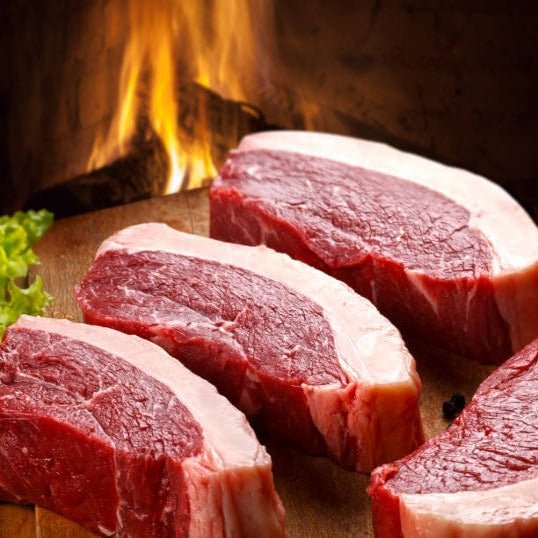
Argentine Grain Fed Picanha on a chopping board

Picanha is the undisputed king of the South African braai table. It's also one of the most misunderstood cuts in the Netherlands — people trim the fat cap off (don't), slice it with the grain (also don't), or cook it like a regular steak (definitely don't).

This is how we do it — the method that does justice to the quality of the cut.

What is picanha?

Picanha is the rump cap — a triangular cut sitting on top of the rump, covered by a thick layer of fat on one side. In Brazil and South Africa, it's treated as the premium braai cut. In European butchery, it sometimes gets trimmed and sold as part of the rump without any special treatment, which is a shame.

The fat cap is the point. It bastes the meat from the outside as it cooks and creates the flavour that makes picanha what it is. Don't touch it.

Before you cook: preparation

Take the picanha out of the fridge 45–60 minutes before cooking. Score the fat cap lightly with a knife in a crosshatch pattern — deep enough to reach the meat, not through it. This helps the fat render and prevents curling on the grill.

Season with coarse sea salt on both sides. That's all you need. The fat will do the rest.

Slicing for the skewer method (traditional)

Cut the picanha into thick C-shaped slices (3–4cm) against the grain. Fold each slice fat-side-out and thread onto a metal skewer. Cook fat-side-down over hot coals first to render and crisp the fat (about 4 minutes), then turn and cook the meat side to your preferred doneness. Slice thinly to serve.

Whole on the grill

If you want to cook it whole: sear fat-side-down over high heat for 4–5 minutes to render the fat and get colour. Move to indirect heat (150–160°C), fat-side-up, and roast until the internal temperature reaches 52–55°C for medium-rare (about 45–60 minutes depending on size). Rest for 15 minutes before slicing against the grain.

What temperature?

Medium-rare is the sweet spot — 52–55°C internal. Picanha eaten well-done is a waste of a good cut. Invest in a meat thermometer; it removes all the guesswork.

One more thing

Always slice against the grain, and slice thin. The muscle fibres in picanha run clearly visible — cutting across them shortens them and keeps the texture tender. Cutting with the grain makes even perfectly cooked picanha chewy.

Get the cut:

We stock Argentine Grain Fed Picanha in ±1.4kg and ±1.6kg. Both are vacuum-sealed and delivered cold.

Shop Picanha
Product Guide · March 2026

Droëwors vs Biltong — What's the Difference?

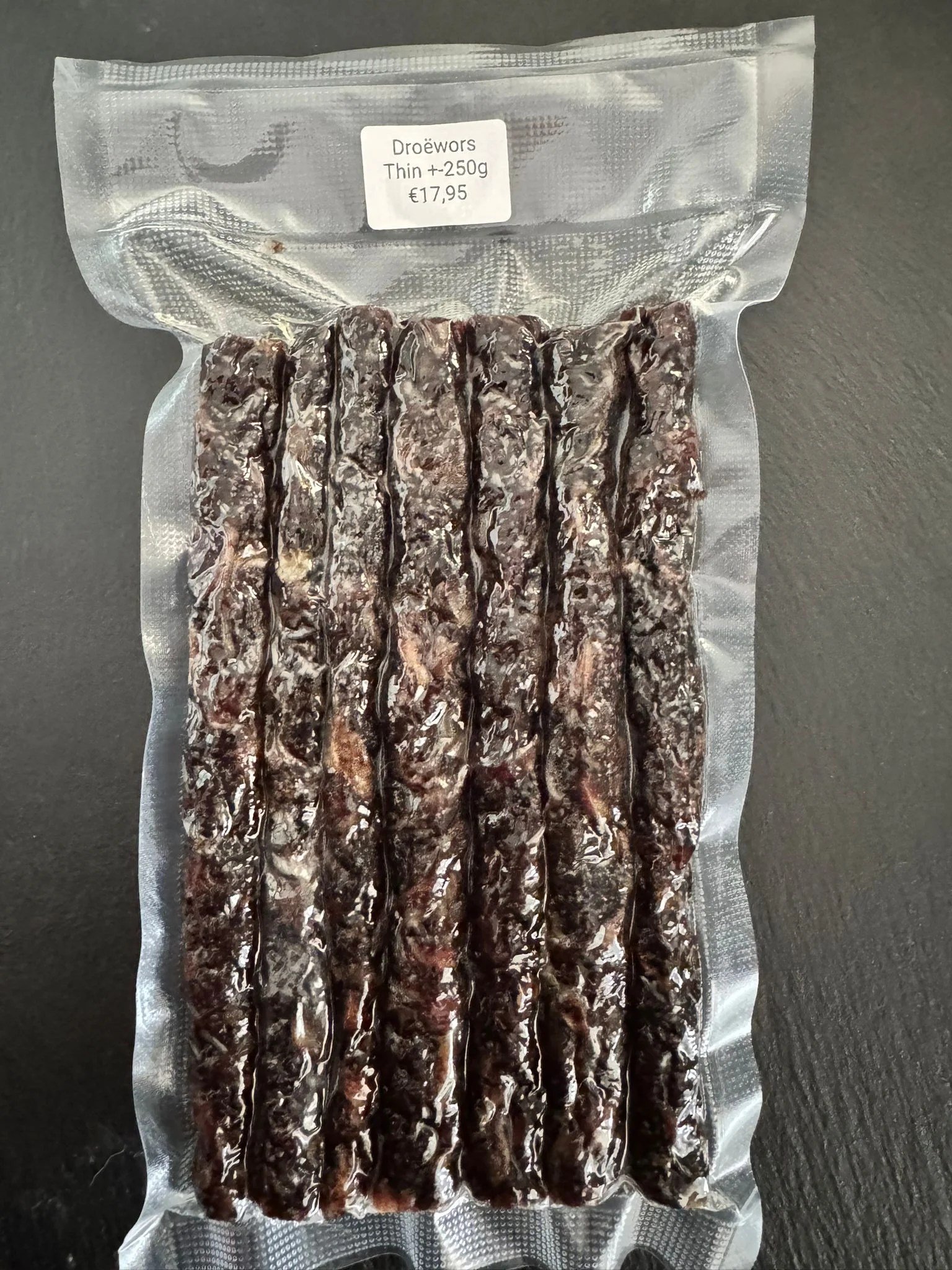
Droëwors — thin dried South African sausage

If you've only recently discovered South African snacks, biltong usually comes first. But ask any South African what they miss most from home, and droëwors is almost always on the list. They're often sold together, often confused, and actually quite different.

What is biltong?

Biltong is cured, air-dried meat — typically beef, though game versions exist. The meat is sliced into strips, marinated in vinegar and spices (coriander is non-negotiable), then hung to dry for several days in a controlled environment. The result is dense, chewy, and intensely savoury.

It's not jerky. Jerky is heat-dried, which changes the texture entirely. Biltong is cold-air dried — the outside firms up while the inside stays slightly moist. The vinegar marinade is part of the cure, not just flavour.

What is droëwors?

Droëwors ("dry sausage" in Afrikaans) is dried boerewors — a coil sausage made from beef and pork, spiced with coriander, nutmeg, cloves, and pepper, then dried in the same way as biltong. The key difference: it starts as a sausage, so the fat content is higher and the texture is completely different.

Good droëwors is slightly brittle on the outside, tender inside, and has a deep, spiced flavour from the fat rendering slowly during drying. Bad droëwors is either too wet (under-dried) or too brittle all the way through (over-dried or low-quality fat).

How they differ in practice

  • Texture: Biltong is denser and chewier. Droëwors snaps more easily and feels lighter.
  • Flavour: Biltong is beefier and more robust. Droëwors is spicier with a pork-fat richness.
  • Snacking: Droëwors is easier to eat in quantity — lighter and less filling. Biltong is more satisfying but richer.
  • Braai use: Neither is typically cooked on the braai — they're ready-to-eat snacks. Put them on the table while you wait for the coals.

Which one to buy?

For first-timers: start with droëwors. It's more approachable — the spiced sausage format is familiar, and it's easy to eat. Once you're hooked on South African dried meat (and you will be), move to biltong sliced thick.

For parties and braais: both. Put droëwors in a bowl on the table and let the biltong be a proper snack platter. They complement each other and both disappear quickly.

Try both:

We stock Biltong in 250g and 1kg bags, and Beef Wors Droëwors in 500g packs — all vacuum-sealed and shipped cold.

Shop Biltong & Droëwors

↑ Back to top

Recipes · February 2026

Five Ways to Season Buffalo Wings

Glazed buffalo wings on a wooden board

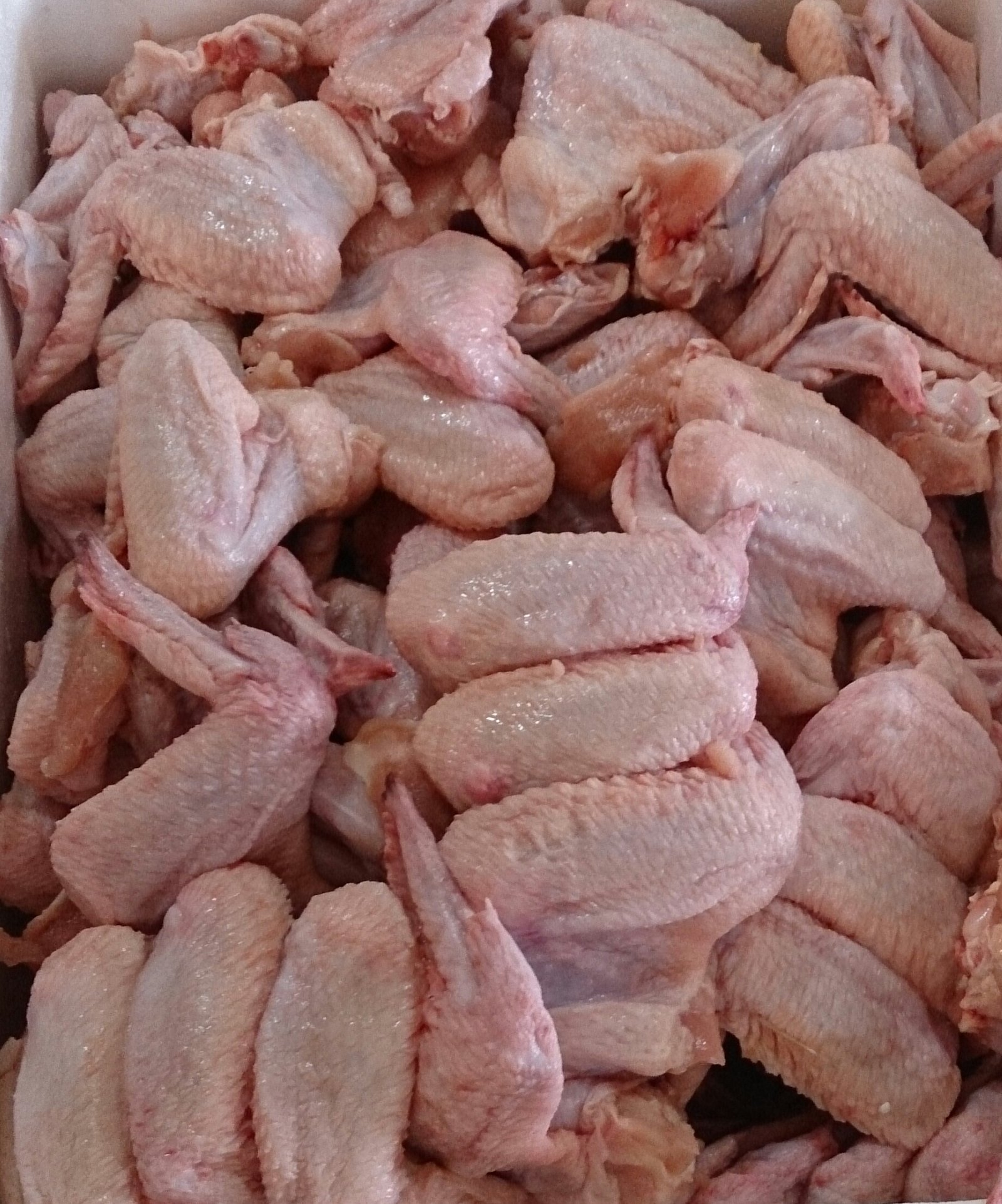
Our buffalo wings come plain and unseasoned — which is exactly how we intend it. The meat is fresh, the skin is intact, and the wings are ready to take on whatever marinade you throw at them. Here are five we've used and liked.

For all of these, start by patting the wings dry, scoring the skin lightly, and marinating for at least 2 hours (overnight is better). Cook over indirect heat first (180°C, about 35 minutes), then finish directly over hot coals or under a grill for 5–8 minutes to crisp the skin.

1. Classic Peri-Peri

  • 4 tbsp olive oil
  • 3 red bird's eye chillies, finely chopped
  • 4 cloves garlic, minced
  • Juice of 1 lemon
  • 1 tsp smoked paprika, 1 tsp oregano, salt

Blend everything together and coat the wings thoroughly. This is the simplest and still probably the best version — spicy, garlicky, sharp from the lemon. Serve with a wedge and nothing else.

2. Sticky Tamarind Glaze

  • 3 tbsp tamarind paste
  • 2 tbsp honey
  • 1 tbsp soy sauce
  • 1 tsp ginger (grated), 1 tsp sesame oil
  • Pinch of chilli flakes

Mix and brush on during the last 10 minutes of cooking for a sticky, lacquered finish. The tamarind gives a sour depth that cuts through the fat. Popular at customer braais — a few people have come back for more wings specifically for this.

3. Honey-Soy

  • 3 tbsp soy sauce
  • 2 tbsp honey
  • 1 tbsp rice vinegar
  • 2 cloves garlic, 1 tsp five-spice powder

The most crowd-pleasing option. Use as both a marinade and a finishing glaze. Great for guests who aren't into heat — deeply savoury without any spice.

4. Lemon-Herb (Fresh)

  • Zest and juice of 2 lemons
  • 4 tbsp olive oil
  • 2 tbsp fresh rosemary, chopped
  • 2 tbsp fresh thyme
  • 4 cloves garlic, coarse sea salt

This is the one for when you want the meat to be the star. The herbs perfume the skin without overwhelming it. Best on a proper wood fire where the herbs in the marinade can char slightly on the grill.

5. Smoky Braai Rub (Dry)

  • 2 tsp smoked paprika
  • 1 tsp each: cumin, garlic powder, onion powder, brown sugar
  • ½ tsp cayenne, salt, black pepper

Coat dry wings in the rub and leave uncovered in the fridge overnight — the skin dries out slightly, which makes it crispier on the braai. No oil needed. Finish with a squeeze of lime and scatter over fresh coriander.

Get the wings:

Our Buffalo Wings are available in 500g and 1kg packs, fresh and vacuum-sealed.

Shop Buffalo Wings

↑ Back to top

Meat Knowledge · January 2026

A Practical Guide to Beef Cuts

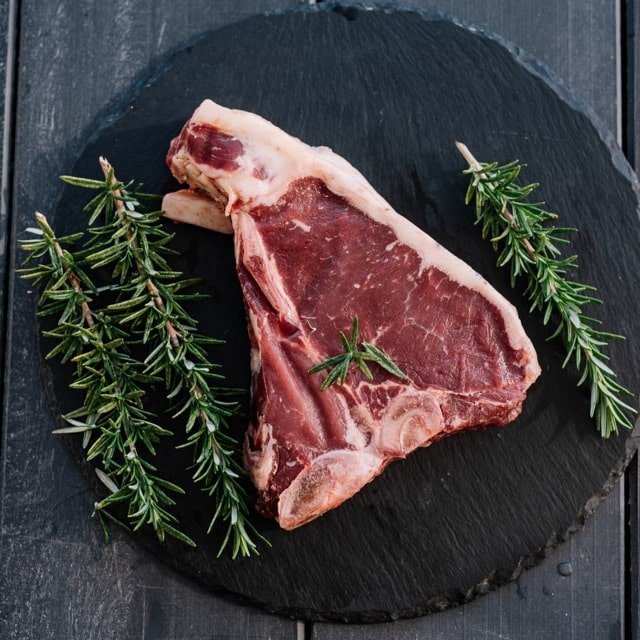
T-bone steak being sliced on a wooden board

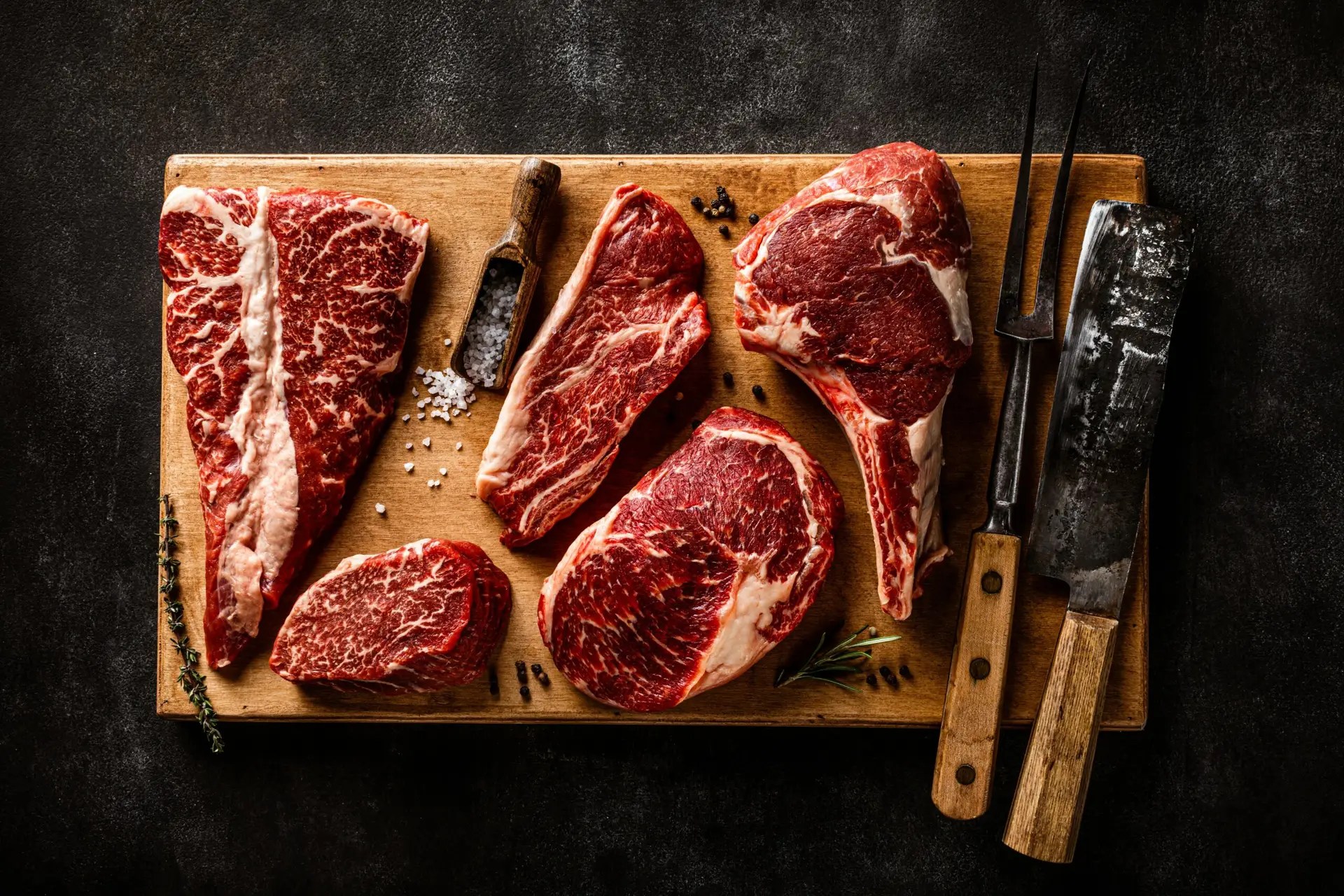
T-bone, picanha, silverside, beef mince — they all come from the same animal but they behave completely differently in the pan, on the grill, or in a pot. Here's what you need to know about the cuts we stock, without the chef jargon.

T-Bone Steak

Where it comes from: The short loin — a cross-section that includes both the sirloin and the tenderloin, divided by the T-shaped bone.

How to cook it: High heat, quickly. Sear in a very hot pan or directly over hot coals — 3–4 minutes per side for medium-rare. The bone acts as a heat sink so the meat nearest to it cooks slightly slower; that's not a flaw, it's the best bit.

Target temperature: 52–55°C for medium-rare. Rest for 5 minutes before serving.

Don't: Cook it from fridge-cold. Let it come to room temperature for 30–45 minutes first or you'll get an uneven cook — overdone outside, raw inside.

Picanha (Rump Cap)

Where it comes from: The top of the rump, sitting above the rump proper. A triangular muscle with a thick fat cap — it's the cut that defines the South African and Brazilian braai.

How to cook it: See our full picanha guide for the complete method. Short version: score the fat cap, season with coarse salt only, cook fat-down first. Slice against the grain, always.

Target temperature: 52–55°C internal for medium-rare. Never well-done — it wastes the cut.

Silverside Steaks

Where it comes from: The outside of the round — the rear leg muscle. It's lean, firm, and has a strong beef flavour. In South Africa, it's a braai staple.

How to cook it: Marinate first — the leanness means it benefits from acid (vinegar, lemon, buttermilk) to break down the fibres slightly. Cook over medium heat rather than high: 5–6 minutes per side for medium. It toughens quickly if overcooked.

Target temperature: 58–62°C (medium). This cut has less fat to carry it through being undercooked, so medium is the sweet spot — juicy but safe.

Also good as: Slow-cook for 6–8 hours in a pot with stock and onions. The lean muscle breaks down into something tender and completely different from its braai version.

Beef Mince

What it is: Our mince is ground from quality beef trim — not offcuts or filler. The fat ratio matters: too lean (under 15% fat) and it dries out; too fatty and it shrinks dramatically and pools grease. We aim for the 15–20% range.

How to use it: For burgers, keep it cold and handle it as little as possible — overworking the mince makes a dense patty. Season from the outside, not mixed in. For bolognese or cottage pie, the opposite applies — cook it slowly and let it absorb the sauce.

On the braai: For burger patties, use a wide spatula and only flip once. Don't press down on the patty — you're squeezing out the juices that make it worth eating.

Shop beef cuts:

All our beef is sourced for quality and delivered vacuum-sealed, fresh. Order online or call us for custom cuts.

Shop All Beef

↑ Back to top

Recipes · December 2025

What Makes a Good Banger? Our Pork Sausage Explained

WoodsIn Cheesy Pork Bangers on the braai

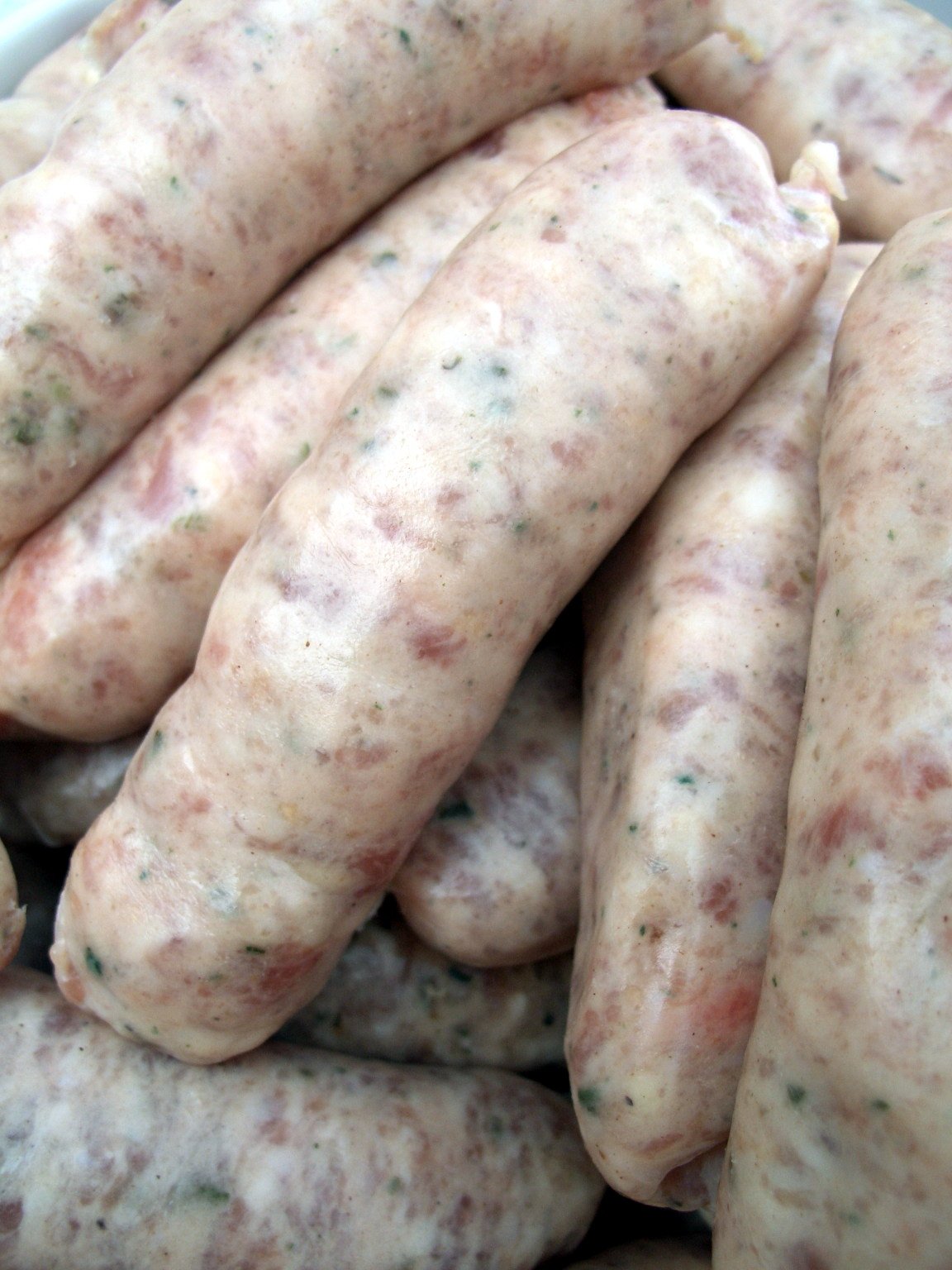
The Cheesy Pork Bangers are one of our most re-ordered products. We get asked about them fairly often — what's actually in them, how are they different from what you find at the supermarket, and how do you cook them properly. Here's the honest answer to all three.

What's in them

The base is coarse-ground pork with a controlled fat ratio — we aim for around 25–30% fat, which sounds high until you realise that most supermarket sausages are either higher than that (with added water and filler) or they've been formulated to taste fatty without the fat content to back it up.

The seasoning is a South African-influenced blend: coriander, nutmeg, allspice, black pepper, and a generous amount of mature cheddar folded into the mince before filling. The cheese melts through the sausage as it cooks rather than sitting as a distinct layer — which is why it doesn't burst out and pool on the grill.

No rusk filler, no soy protein, no stabilisers. The casing is natural pork casing.

Why they taste different

Most supermarket sausages in the Netherlands contain rusk or breadcrumb filler — typically 15–25% of the total weight. This is legal, common, and cheap. It dilutes the meat flavour and changes the texture to something softer and more uniform. It also means the sausage holds more water, which leads to that steaming-in-their-own-liquid situation when you cook them in a pan.

Without filler, the texture is coarser and the shrinkage during cooking is honest — what you see raw is close to what you eat.

How to cook them

On the braai (best method)

Over medium coals — not roaring hot. The cheese content means they'll catch quickly if the heat is too high. Cook slowly, turning every 2–3 minutes, until the skin is golden and blistered and the internal temperature reaches 72°C. Expect about 15–18 minutes total. Do not pierce them — you'll lose the fat and the cheese.

In a pan

Medium heat, a small amount of neutral oil. Start them in a cold pan and bring up the temperature — this renders the fat gradually rather than seizing the casing. Turn regularly. Same target: 72°C internal, deep golden skin.

In the oven

190°C, on a rack (not a flat tray — you want the fat to drip away), 20–25 minutes. Turn once at the halfway mark. Good option for batch cooking if you're feeding a crowd.

What to serve them with

At a braai: pap and chakalaka, or just good bread and mustard. The cheese and spice in the sausage means they don't need much alongside them. A cold Castle Lager is also technically required.

For a weeknight meal: sliced over mash with caramelised onions. Or split lengthways and stuffed into a roll with sautéed peppers. The cheese holds up well to both.

Get the bangers:

Cheesy Pork Bangers come in a 5-pack — fresh and vacuum-sealed. Order online or call us to reserve stock at weekends.

Shop Pork Bangers

↑ Back to top

More Recipes & Tips Coming

Follow us on WhatsApp or check back here for new posts on South African food culture, seasonal products, and braai techniques.